

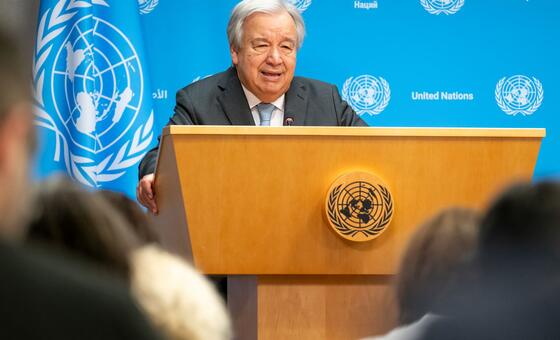
The Secretary-General warns of a 2026 marked by instability and global challenges
“Constant chaos and surprises.” That’s how the UN Secretary-General described 2026 in his first press conference of the year.
Comparing international politics to physics, António Guterres pointed out that "every action causes a reaction," but in geopolitics these responses are unpredictable and dangerous.
The Secretary-General stressed that impunity, the erosion of international law, and cuts in humanitarian aid are fueling conflict, inequality, and displacement. He also warned about the impact of climate change and the concentration of power in technology companies, which, without adequate regulation, generate instability.
“ We are witnessing what is perhaps the greatest transfer of power of our time, not from governments to the people, but from governments to private technology companies. When technologies that shape behavior, elections, markets, and even conflicts operate without checks and balances, the reaction is not innovation, but instability .”
Faced with these challenges, Guterres stressed the need for global reforms : strengthening multilateral institutions, guaranteeing peace based on international law, reforming the Security Council , accelerating sustainable development, and modernizing the global financial architecture, including developing country debt and fair participation in international financial institutions.
“Structures may be obsolete, but values are not,” the UN official stressed, remembering those who “risk everything” to make them a reality, whether it is a protester facing repression, a journalist defending press freedom, or an ordinary citizen standing up for their neighbor.
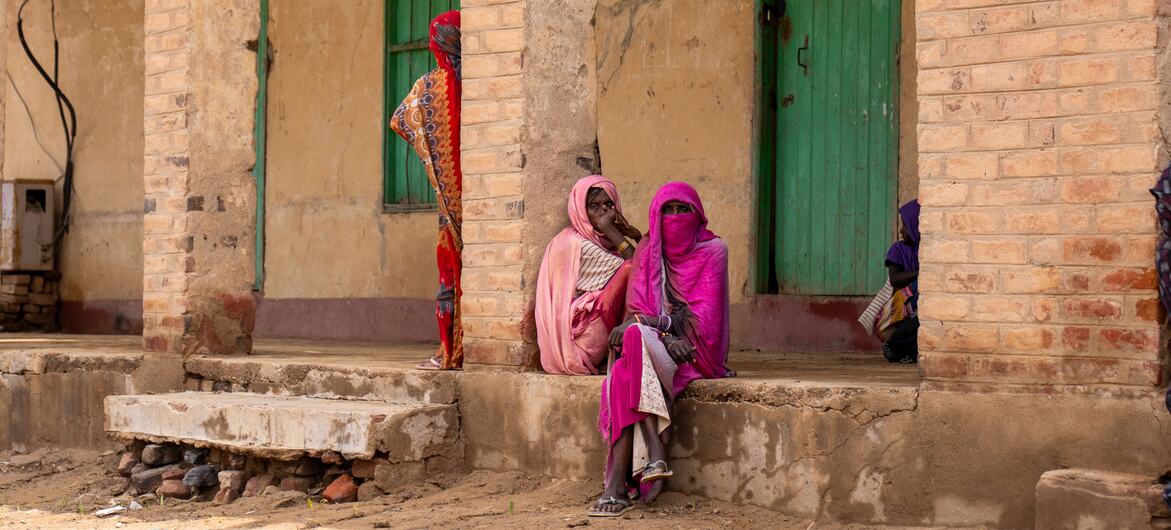
After months of displacement, families return to their communities in Sudan, where they often find damaged homes and limited services.
More than three million people return to Sudan, but insecurity and destruction persist.
The International Organization for Migration ( IOM ) warns of increased humanitarian needs in Sudan, where more than three million people have returned to their home areas despite widespread destruction of homes, basic services and essential infrastructure.
According to the IOM, these returns reflect the resilience and determination of Sudanese families to rebuild their lives. However, returning does not mean returning to safe or stable conditions. Many people find their homes destroyed, services severely limited, and an uncertain future, making sustained support essential.
The largest returns were recorded in Khartoum state, with over 1,3 million people, followed by Aj Jazirah. Most of these returns were internally displaced, while some came from neighboring countries such as Egypt, South Sudan, and Libya.
At the same time, the violence continues to cause further displacement, particularly in Darfur and Kordofan. Sudan remains the world's largest displacement crisis as the conflict approaches its third year.
The IOM insists on the urgent need for sustained humanitarian funding to support returnees and move towards lasting solutions.
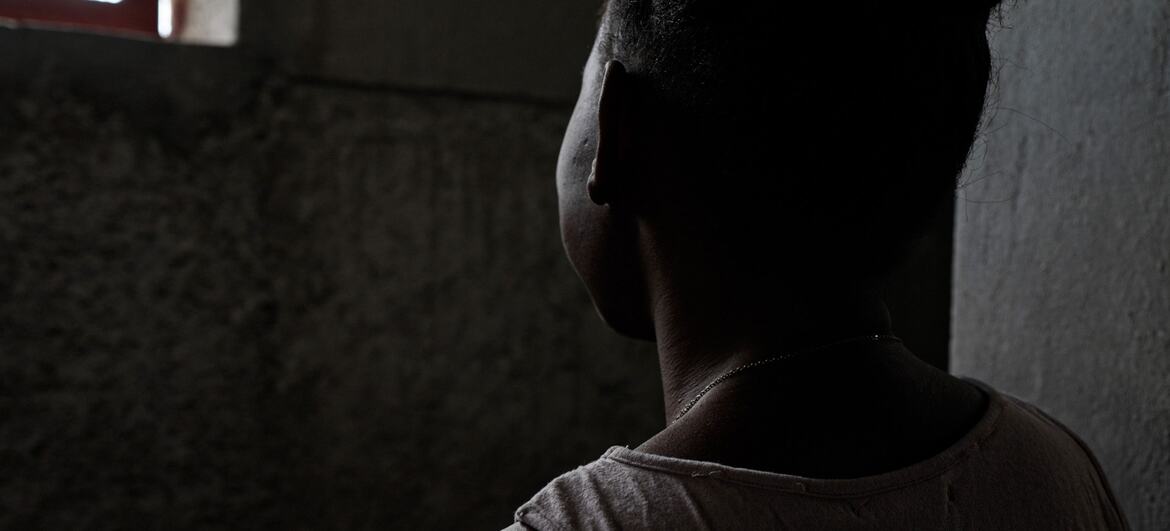
A person looks towards a window.
Expert calls for inclusion of hostage-taking in the Convention on Crimes Against Humanity
A human rights expert called for hostage-taking to be explicitly included in the future Convention on crimes against humanity, currently being negotiated between States.
The Special Rapporteur on Torture**, Alice Jill Edwards, warned that excluding this practice represents a serious gap in international protection, especially in a context where hostage-taking is increasingly used as a deliberate tactic in armed conflicts and by States.
According to the expert, this practice inflicts profound suffering, both physical and psychological, on the victims, and causes years of anguish, fear, and uncertainty for their families. Edwards noted that, although hostage-taking can constitute torture, it is also a separate crime under international law, and emphasized that the UN General Assembly recognized its gravity in 2025.
The rapporteur also warned that, in conflict contexts, hostage-taking can prolong violence, hinder peace processes and encourage further kidnappings.
Including this crime in the Convention would strengthen the capacity of States to investigate and punish those responsible and would send a clear message: civilians should never be used as bargaining chips.